Gallery — Facilities & Instruments
Featured Instruments


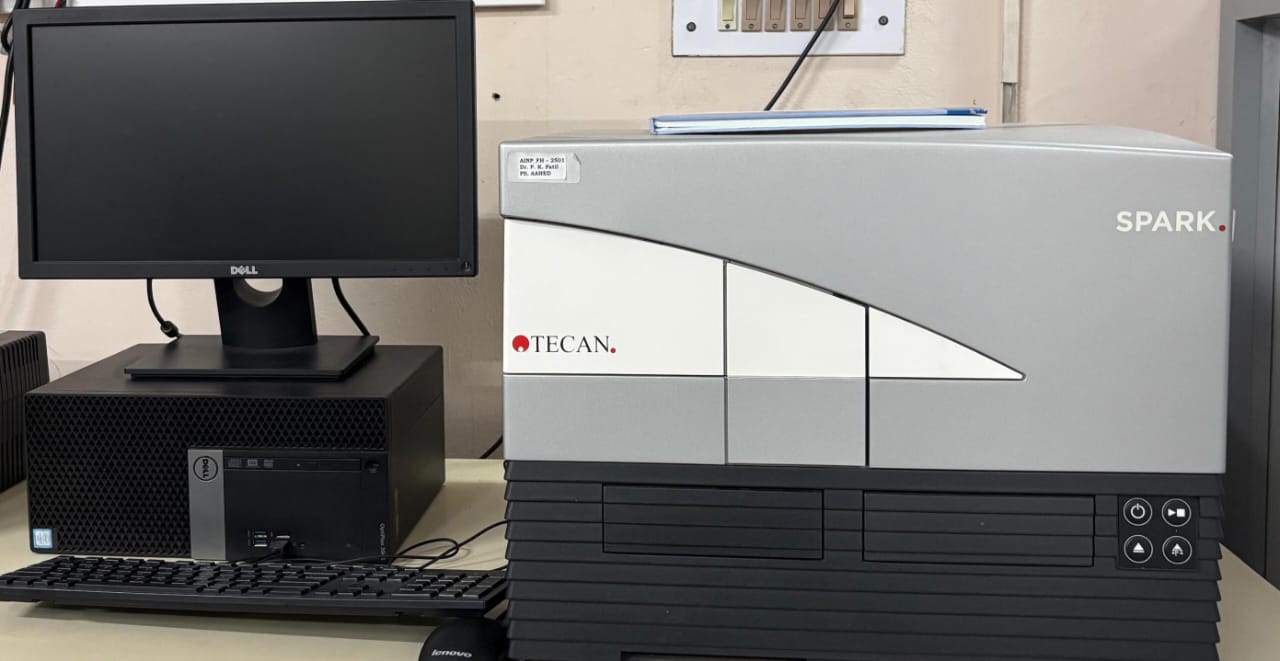
ELISA Reader

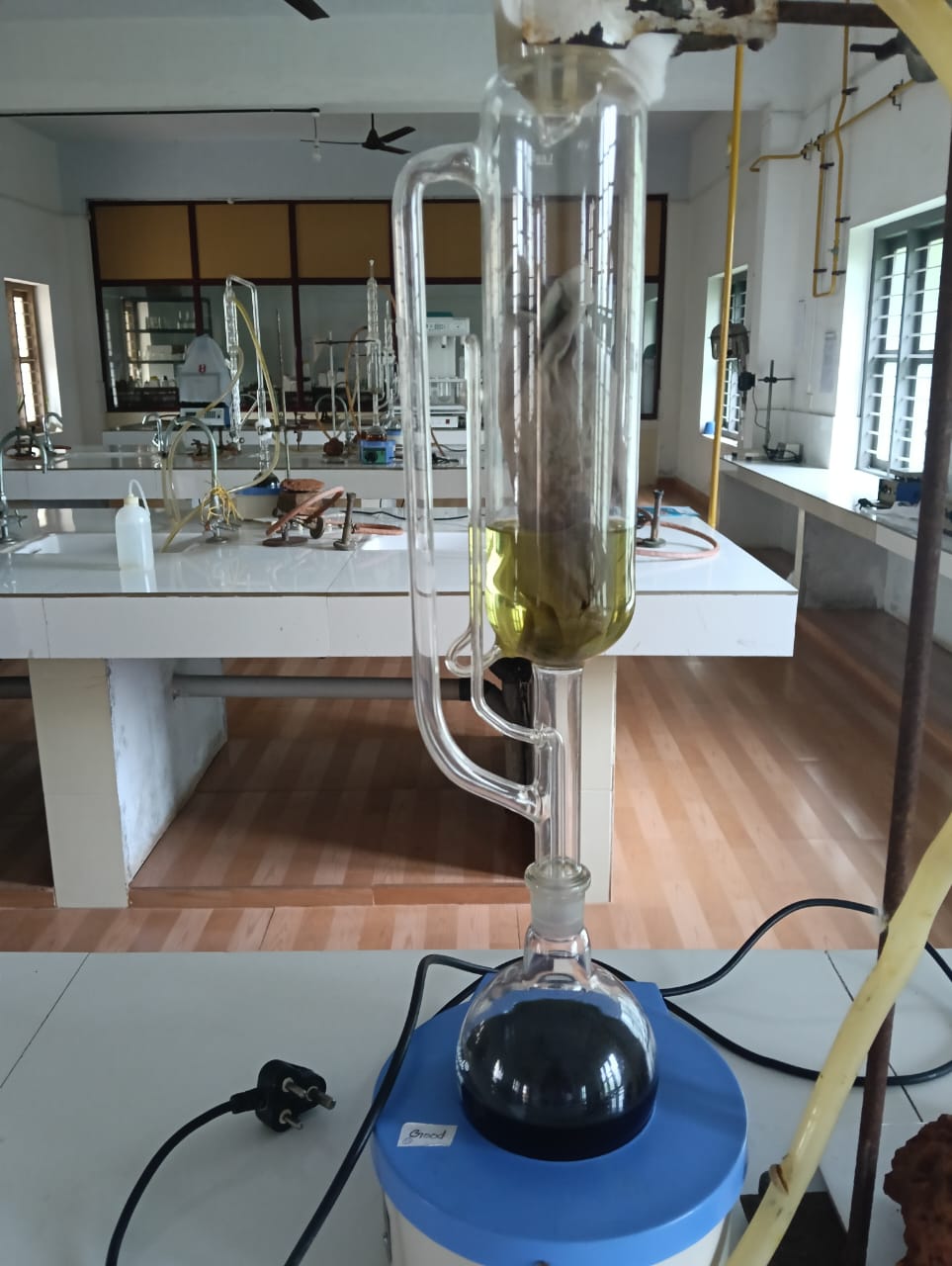
Extraction Process Unit

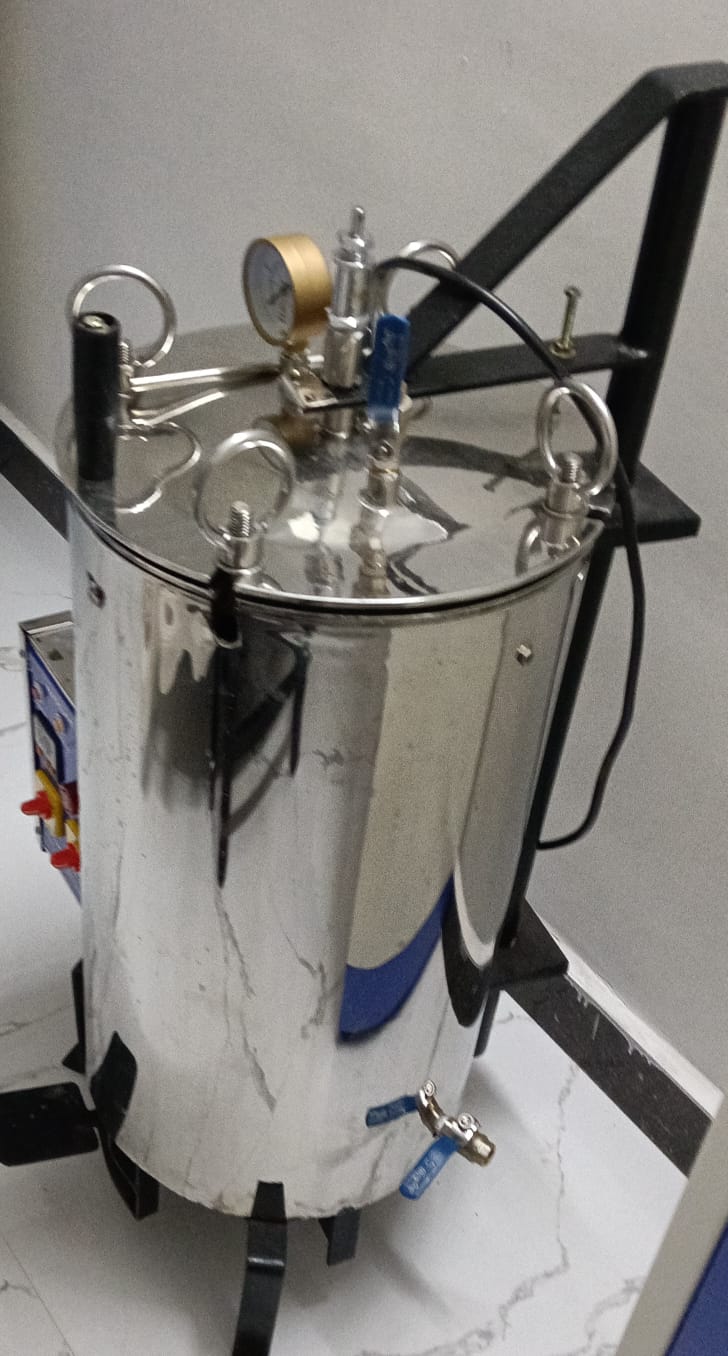
Autoclave
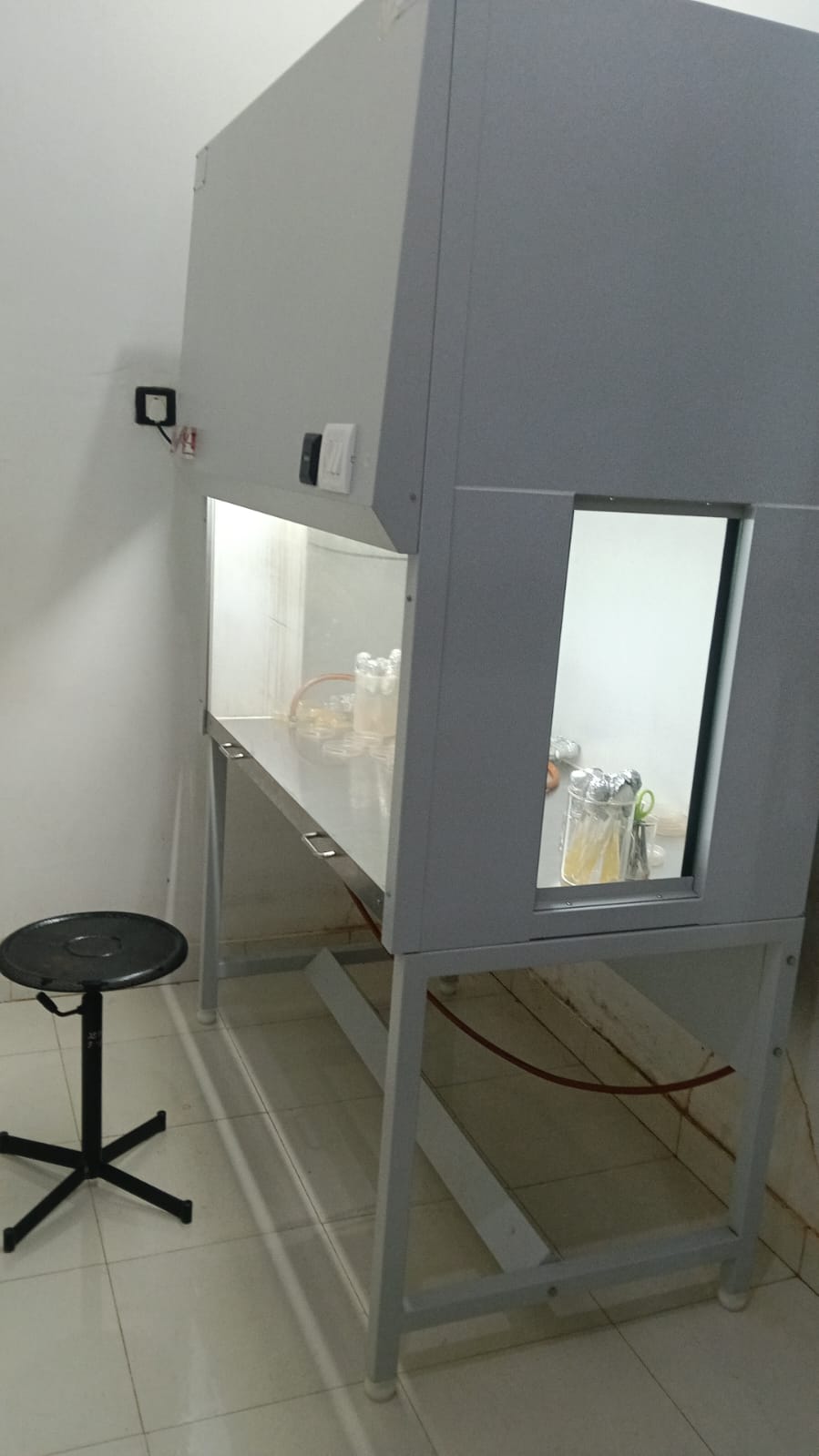
Microbiology — Aseptic Cabin

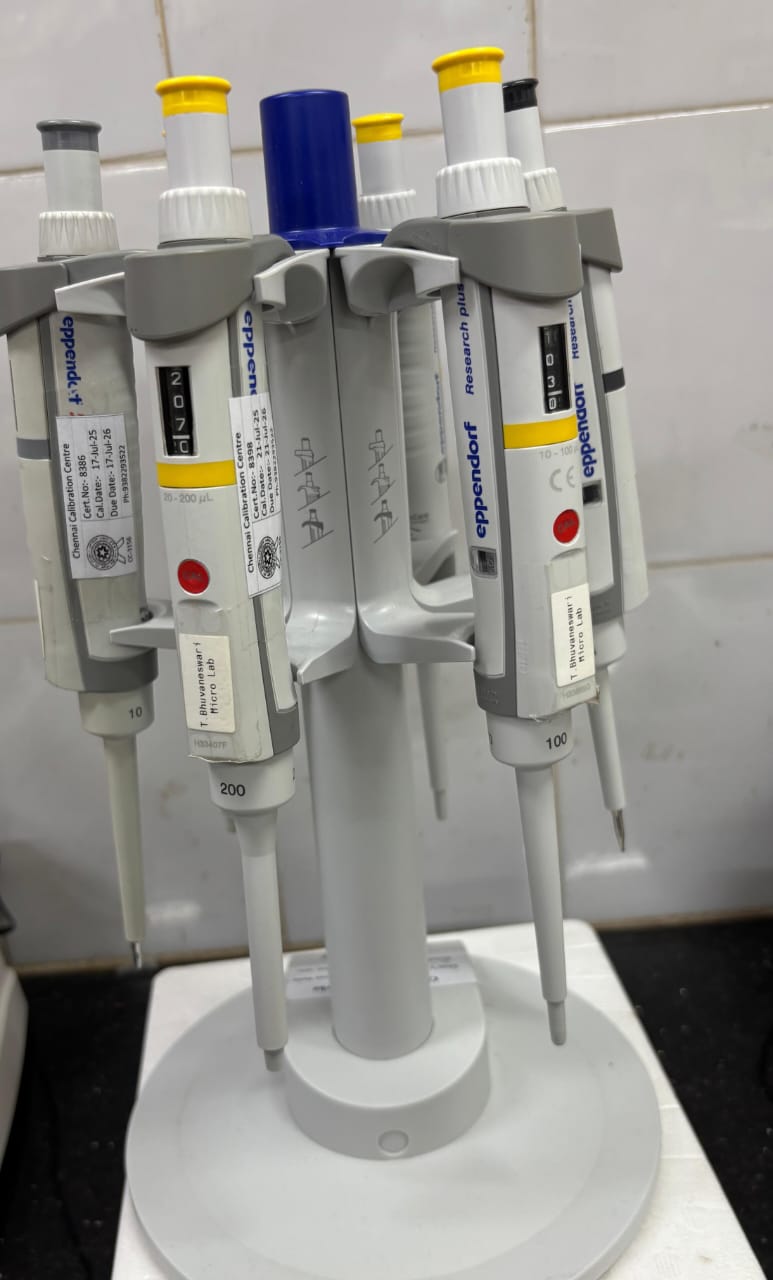
Micropipettes
Extraction Process Unit — Description & Specifications
Overview: The Extraction Process Unit at PSBRC is a pilot-scale setup for extraction of bioactive compounds from plant material. It supports methods including maceration, Soxhlet-like reflux, percolation and solvent partitioning. The unit is intended for method development, small-batch extraction and solvent optimization studies.
Key Components
- Stainless-steel extraction vessels (various volumes)
- Heating mantle / jacketed vessels with temperature control
- Reflux condensers and solvent recovery condenser
- Vacuum rotary evaporator integration for concentration
- Filtration assemblies and sample collection ports
Typical Uses
- Phytochemical extraction and method optimization
- Standardization of botanical extracts
- Small-batch formulation work and solvent screening
Safety & SOPs
Use only trained personnel. Follow SOPs for solvent handling, grounding for flammable solvents, proper ventilation, and waste solvent disposal. PPE: lab coat, chemical-resistant gloves, goggles; use fume hood if volatile solvents are used.
Microbiology — Aseptic Cabin
Overview: The aseptic cabin (laminar flow hood / biosafety cabinet) provides a HEPA-filtered sterile working environment for aseptic technique tasks such as media preparation, plating, and cell culture manipulation.
Features
- HEPA H14 filtration providing ISO Class 5 work zone
- UV decontamination lamp (use only when cabinet is empty)
- Sash with safety interlocks and ergonomic design
- Digital airflow monitor and alarm
Good Practice
- Perform routine airflow and HEPA checks; annual certification recommended
- Disinfect interior surfaces before and after use with validated agents
- Avoid clutter — only place necessary items inside the cabinet
Autoclave — Sterilization
Overview: Laboratory autoclaves at PSBRC are used for sterilization of media, glassware and biohazardous waste. Typical cycles operate at 121°C for 15–20 minutes depending on load and nature of items.
Specifications & Operation
- Standard cycle: 121°C, 15–30 min (time depends on load)
- Pressure gauge and safety interlock door
- Record-keeping via cycle printer or digital log
Safety & Maintenance
- Never open until pressure returns to ambient and cycle is complete
- Check gasket integrity regularly and clean chamber to avoid residue buildup
- Annual preventive maintenance and validation recommended
Micropipettes — Range & Care
Overview: A complete set of single-channel and multi-channel adjustable micropipettes covering the full common laboratory range. Proper calibration and good pipetting technique are essential for reproducible results.
Common Ranges
- 0.1–2 µL, 0.5–10 µL, 2–20 µL, 10–100 µL, 20–200 µL, 100–1000 µL, 0.5–5 mL
Care & Calibration
- Calibrate every 3–6 months or after heavy use
- Use filter tips for PCR and RNA work to prevent contamination
- Clean exterior surfaces and perform leak checks regularly